Tourism in Angola: Wild Nature, African Culture and a History That Enchants
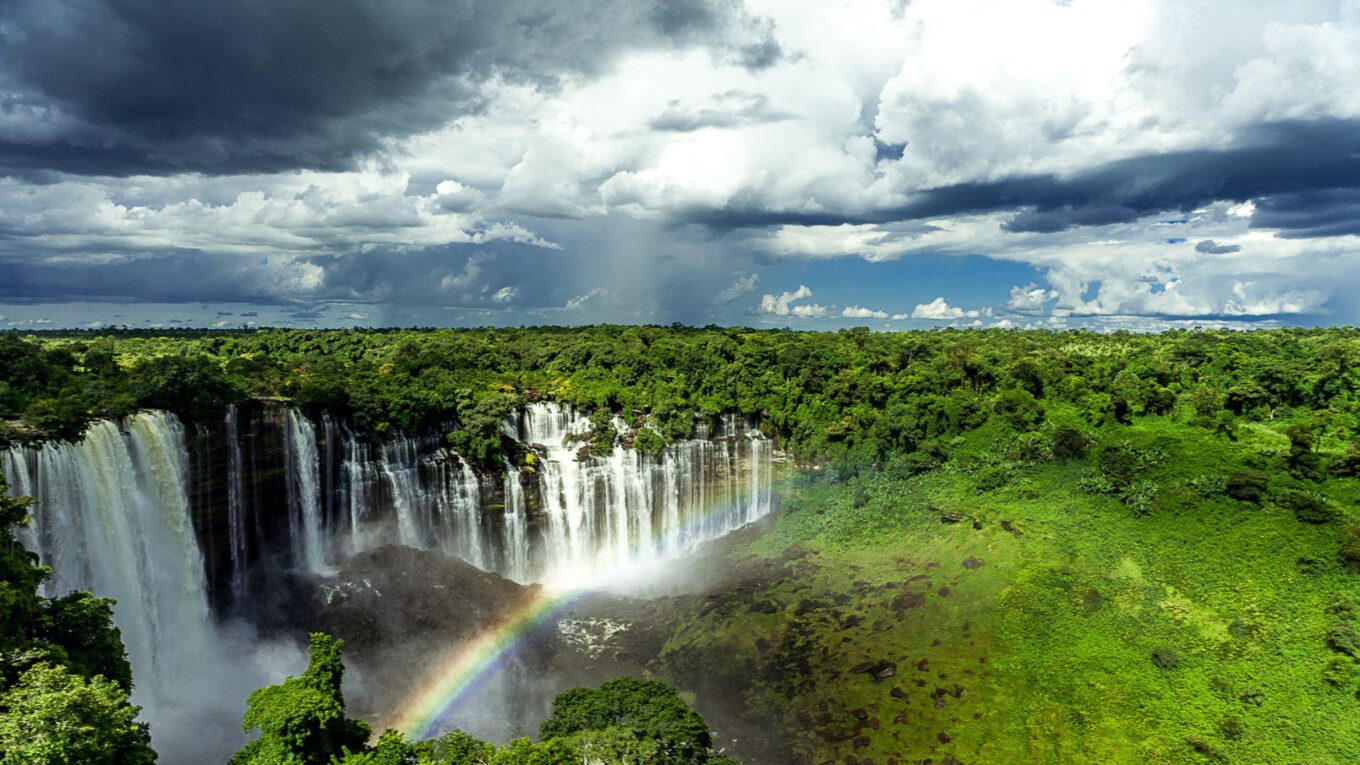
Angola is an African destination that is still largely unexplored, yet it holds natural and cultural treasures capable of surprising even the most experienced travelers. With a long Atlantic coastline, national parks full of wildlife, cities with a strong Portuguese colonial heritage, and a culture rich in music, dance, and tradition, Angola offers a fascinating blend of adventure, history, and natural beauty.
For those seeking authentic experiences, off-the-beaten-path travel, and direct contact with deep Africa, tourism in Angola is a promising and unforgettable choice.
Luanda: A Vibrant Capital on the Atlantic Coast
Luanda, the capital of Angola, is a metropolis in constant transformation. With modern skyscrapers, historic neighborhoods, and a lively nightlife, the city offers an interesting contrast between past and present.
- Luanda Marginal: One of the city’s main landmarks, ideal for sunset walks.
- Fortress of São Miguel: Built in the 16th century, it now houses the Armed Forces Museum.
- Mussulo Island: Famous for its calm beaches, accessible by boat just minutes from the city center.
- Gastronomy: Grilled prawns, chicken moamba, calulu, and the intense flavors of Angolan cuisine.
Benguela and Lobito: History and Beaches on the Southern Coast
In the south of the country, the cities of Benguela and Lobito stand out for their well-preserved colonial architecture and inviting beaches.
- Caotinha Beach and Praia Morena: Calm waters and white sands.
- Historic center of Benguela: Churches, squares, and colonial mansions.
- Boat trips and fresh seafood: The coastal region is perfect for relaxing and enjoying great food.
Kissama National Park: Safari at the Gates of Luanda
Located just two hours from the capital, Kissama National Park (Quiçama) is Angola’s main safari destination.
- Wildlife: Elephants, giraffes, buffaloes, giant sable antelopes, antelopes, and exotic birds.
- Repopulation project: Many animals were reintroduced after the civil war.
- Lodges and guided safaris: Ideal for experiencing Africa in a safe and comfortable way.
Serra da Leba and Tundavala: Nature and Breathtaking Landscapes
The province of Huíla, in southern Angola, is home to some of the country’s most spectacular landscapes.
- Serra da Leba: A winding mountain road with incredible viewpoints over green valleys.
- Tundavala Gorge: A dramatic canyon with vertiginous views, ideal for photography and trekking enthusiasts.
- Lubango: The main base city to explore the region, with a pleasant climate and Luso-African cultural heritage.
Namibe: Desert and Ocean in One Place
In the province of Namibe, the desert meets the sea, creating a unique landscape on the African continent.
- Namibe Desert: An extension of the Namib Desert, with dunes, oases, and fauna adapted to arid conditions.
- Welwitschia mirabilis: An endemic plant and symbol of ecosystem resilience.
- Wild beaches and rocky formations: Raw and untouched natural beauty.
Angolan Culture and Tradition
Angola is a country of extraordinary ethnic and cultural diversity. More than 90 ethnolinguistic groups coexist and enrich the national identity.
- Music: Semba (the precursor of samba), kuduro, and kizomba are part of everyday life.
- Festivals and celebrations: Dance, drums, and traditional rituals throughout all provinces.
- Handicrafts: Wooden sculptures, woven baskets, and colorful textiles.
Practical Information
- Capital: Luanda
- Currency: Kwanza (AOA)
- Official language: Portuguese
- Other languages: Umbundu, Kimbundu, Kikongo, among others
- Visa: Required for most visitors (e-visa system available)
- Best time to visit: May to October (dry season)
- Safety: Traveling with a guide or trusted local contact is recommended in less touristy areas
- Transportation: Air travel between provinces and roads with variable infrastructure
Why Visit Angola?
✅ Impressive natural landscapes ✅ Pristine beaches and desert in the same country ✅ Accessible and exclusive safaris ✅ Vibrant culture and infectious music ✅ An authentic and still undiscovered destination
Conclusion
Angola is a country of contrasts and charm. Still recovering from decades of civil war, it shows the world a strong desire to be reborn through sustainable tourism and the promotion of its culture and biodiversity. Those who venture to discover Angola find a country that is authentic, intense, beautiful, and absolutely unforgettable.