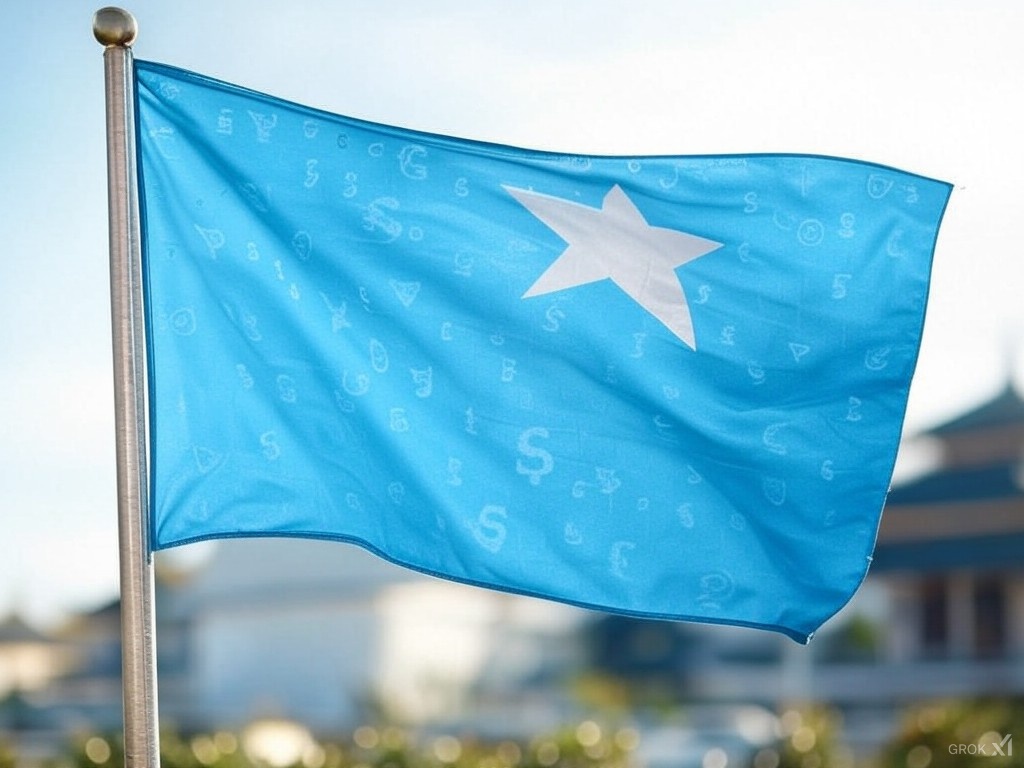
Cryptocurrencies in Micronesia
Cryptocurrencies in Micronesia
Cryptocurrencies in Micronesia are becoming an increasingly interesting topic for residents, entrepreneurs, remote workers, and anyone looking for alternative financial tools in the Pacific region. While the Federated States of Micronesia is still a small market compared to major crypto hubs, global interest in Bitcoin, Ethereum, stablecoins, and blockchain-based finance is gradually influencing even remote island nations.
As digital payments continue to evolve worldwide, cryptocurrencies offer a potential way for people in Micronesia to access international financial networks, explore investment opportunities, and reduce dependence on slow or limited traditional banking systems. In smaller island economies, where international transfers and cross-border payments can be expensive or inconvenient, crypto can be especially appealing.
In this guide, we’ll explore how cryptocurrencies work in Micronesia, whether crypto is legal, how people may buy Bitcoin and other digital assets, what risks to understand, and why digital currencies could become more relevant in the country over time.
What Are Cryptocurrencies?
Cryptocurrencies are digital assets that use blockchain technology to record transactions securely and transparently. Unlike traditional fiat currencies issued by central banks, cryptocurrencies operate on decentralized networks and can often be transferred globally without relying on a single financial institution.
The best-known cryptocurrency is Bitcoin, but many others are commonly used as well. Some of the most relevant include:
- Bitcoin (BTC) – the original and most widely recognized cryptocurrency
- Ethereum (ETH) – a major blockchain platform for decentralized applications and smart contracts
- Tether (USDT) – a stablecoin pegged to the U.S. dollar
- USD Coin (USDC) – another widely used U.S. dollar stablecoin
- BNB – commonly used within the Binance ecosystem
- Solana (SOL) – known for fast transactions and growing ecosystem adoption
For people in Micronesia, cryptocurrencies may be used in different ways depending on individual needs. Some may view them as a long-term investment, while others may use them for international payments, online business, or as an alternative store of value.
Why Cryptocurrencies Matter in Micronesia
The Federated States of Micronesia is a unique island nation spread across a vast area of the Pacific Ocean. Because of its geography, access to global financial services can sometimes be more limited or less efficient than in larger countries. That’s one reason cryptocurrencies may hold practical relevance in Micronesia over time.
Some of the key reasons crypto matters in Micronesia include:
- Cross-border payments: Crypto can help facilitate international transfers more quickly in some cases.
- Financial access: Digital assets may offer alternative tools where traditional banking options are limited.
- Investment diversification: Some users may want exposure to Bitcoin or other major cryptocurrencies.
- Remote work and online income: Freelancers or digital workers may receive crypto from international clients.
- Stablecoin utility: Dollar-pegged stablecoins may appeal to users who want blockchain flexibility with lower volatility.
In smaller economies like Micronesia, crypto adoption may not happen overnight, but even modest use cases can be meaningful if they solve real problems around payments, access, and global connectivity.
Is Cryptocurrency Legal in Micronesia?
Cryptocurrency is a growing area of interest in Micronesia, especially as digital finance expands globally. While crypto adoption in the Federated States of Micronesia is still relatively early, there is increasing awareness of Bitcoin, stablecoins, and blockchain technology among people who follow international finance and digital trends.
As in many countries, “legal” does not always mean “fully regulated in every detail.” Rules can evolve over time, and users in Micronesia should stay informed about any updates involving financial compliance, exchange access, or future government policy.
If you are planning to buy, hold, or use cryptocurrencies in Micronesia, it is always smart to use reputable platforms, keep records of your transactions, and follow any local or international compliance requirements that may apply.
How People Buy Cryptocurrencies in Micronesia
People in Micronesia who want to buy Bitcoin or other digital assets may have several possible options depending on exchange availability, payment methods, and local banking compatibility.
1. Centralized Crypto Exchanges
The most common way to buy crypto is through a centralized exchange. These platforms typically allow users to create an account, complete identity verification, deposit funds, and buy cryptocurrencies such as Bitcoin, Ethereum, and stablecoins.
Typical exchange features may include:
- Easy buy and sell tools
- Spot trading for major assets
- Mobile apps
- Wallet support
- Card purchases in some regions
- Access to stablecoins and popular altcoins
2. Peer-to-Peer (P2P) Trading
Some users may prefer peer-to-peer trading, where buyers and sellers transact directly using local or international payment methods. This can be useful in places where direct fiat support is limited.
If using P2P platforms, it’s important to:
- Choose platforms with escrow protection
- Check seller ratings carefully
- Avoid off-platform communication when possible
- Never release funds before payment is confirmed
3. Wallet Apps and Crypto Services
Some wallet apps allow users to buy, hold, send, and receive cryptocurrencies directly. These apps can be convenient for beginners, especially those who mainly want to hold small amounts of Bitcoin or stablecoins.
4. Receiving Crypto from Abroad
In some cases, people in Micronesia may receive crypto before they ever buy it themselves. This can happen through freelance work, online services, family transfers, donations, or international digital business arrangements.
For island economies with international connections, this can be one of the most realistic entry points into crypto adoption.
Which Cryptocurrencies Are Most Relevant in Micronesia?
Not every cryptocurrency is equally useful for users in Micronesia. In most cases, the most practical digital assets are the ones with the strongest liquidity, the widest exchange support, and the most globally recognized use cases.
The most relevant cryptocurrencies usually include:
- Bitcoin (BTC): The most recognized and widely discussed cryptocurrency.
- Ethereum (ETH): A leading blockchain ecosystem with broad adoption.
- Tether (USDT): A popular stablecoin for preserving dollar value and moving funds.
- USD Coin (USDC): Another trusted stablecoin with broad usage.
- BNB: Useful within major exchange ecosystems.
- Solana (SOL): Increasingly popular for fast and low-cost blockchain activity.
For many users in smaller island economies, stablecoins can be especially important because they combine blockchain flexibility with the relative price stability of the U.S. dollar.
Best Ways to Store Crypto Safely
Buying crypto is only part of the process. Safe storage is just as important, especially for anyone planning to hold digital assets long term.
1. Exchange Wallets
Keeping crypto on an exchange can be convenient for beginners or active traders, but it also means relying on a third party to protect your funds. For small amounts, this may be acceptable, but it is not always ideal for long-term storage.
2. Software Wallets
Software wallets on mobile or desktop devices offer more control. These are useful for everyday use, but users need to protect their passwords, devices, and recovery phrases carefully.
3. Hardware Wallets
For larger balances, hardware wallets are often considered the safest option. These devices store private keys offline, which reduces exposure to hacks, phishing attacks, and exchange failures.
Important crypto security tips include:
- Use strong, unique passwords
- Enable two-factor authentication (2FA)
- Never share your recovery phrase
- Store backups offline in a secure place
- Beware of phishing links and fake apps
- Double-check wallet addresses before sending funds
What Are the Risks of Crypto in Micronesia?
Cryptocurrencies can create opportunities, but they also come with real risks. Anyone using crypto in Micronesia should understand these before investing or transacting.
1. Price Volatility
Bitcoin and other cryptocurrencies can experience major price swings in short periods. This can create both opportunity and risk, especially for inexperienced users.
2. Regulatory Uncertainty
Rules around digital assets can change over time. Even if access is possible today, future regulations may affect exchange availability, taxation, or reporting obligations.
3. Scams and Fraud
Crypto users everywhere face scams such as fake investment sites, impersonation, phishing, and “guaranteed profit” schemes. This risk is especially important for new users.
4. Self-Custody Errors
If you control your own wallet, you are responsible for your private keys and recovery phrases. Losing access to them can mean losing your funds permanently.
5. Platform Risk
Not every exchange or crypto service is equally trustworthy. Some platforms may have weaker security, poor compliance, or limited transparency.
The safest approach is to start small, stick to well-known cryptocurrencies, and use reputable platforms with strong security practices.
Can Businesses in Micronesia Benefit from Crypto?
Yes, in some situations. Businesses in Micronesia, especially those connected to tourism, international services, online work, or cross-border payments, may find crypto increasingly useful over time.
Potential use cases include:
- Receiving payments from international clients
- Reducing friction in certain cross-border transactions
- Accepting stablecoins for online services
- Appealing to digitally savvy travelers or remote workers
- Exploring blockchain-based payment options in niche sectors
However, businesses should be cautious. Accepting crypto can create accounting, legal, and operational questions. Before integrating crypto payments, business owners should understand compliance obligations and evaluate volatility risks carefully.
Crypto and Island Economies Like Micronesia
Island economies often face specific challenges that make crypto worth watching. These may include geographic isolation, reliance on international imports, higher transfer costs, and limited access to some global financial services.
In that context, cryptocurrencies and stablecoins may offer long-term benefits such as:
- More flexible international payments
- Faster access to digital commerce
- Alternative options for online workers and entrepreneurs
- Potential future use in tourism and service sectors
- Greater connection to global digital finance networks
Micronesia is still an early-stage crypto market, but that does not mean it is irrelevant. In fact, smaller countries often become interesting test cases for practical crypto adoption.
How Beginners in Micronesia Should Start
If you’re new to crypto in Micronesia, the best approach is to keep it simple and focus on education and security first.
A beginner-friendly roadmap could look like this:
- Learn the basics of Bitcoin, Ethereum, and stablecoins
- Choose a reputable exchange or trusted access method
- Complete identity verification if required
- Start with a small amount
- Enable two-factor authentication immediately
- Move larger balances to a secure wallet if holding long term
- Track your transactions for tax and record-keeping purposes
- Stay updated on legal and financial developments
For most beginners, starting with Bitcoin and stablecoins is usually a safer move than jumping into speculative altcoins or meme tokens.
Tax and Compliance Considerations
Tax treatment of crypto can vary depending on the country, the type of transaction, and whether the user is investing personally or using crypto in a business context. Even in smaller markets like Micronesia, that doesn’t mean tax considerations can be ignored.
Potential situations that may trigger tax or compliance issues include:
- Buying and later selling crypto for profit
- Receiving crypto as payment for work or services
- Converting crypto into fiat currency
- Using digital assets in business transactions
- Earning staking or other yield-related rewards
Because regulations can evolve, anyone handling significant amounts should consider getting professional advice when needed.
The Future of Crypto in Micronesia
The future of cryptocurrencies in Micronesia will likely depend on a combination of global trends and local realities. Exchange access, financial regulation, stablecoin adoption, remittance needs, mobile internet access, and broader digital literacy will all shape how the market develops.
Some reasons Micronesia could become more relevant in the crypto conversation over time include:
- Its need for better cross-border financial connectivity
- The potential usefulness of stablecoins in island economies
- Growing global awareness of alternative financial tools
- The rise of digital work and online payments
- Long-term interest in fintech and blockchain innovation
Crypto adoption in Micronesia may be gradual rather than explosive, but that doesn’t make it unimportant. In practical terms, even limited adoption can have real value if it solves specific financial or business challenges.
Related Crypto Guides for Micronesia
If you want to go deeper into crypto in Micronesia, these guides are worth reading next:
- Best Crypto Exchanges in Micronesia
- Buy Bitcoin in Micronesia
- How to Buy Cryptocurrencies in Micronesia
These internal links help readers explore the topic from different angles and strengthen your site’s crypto content structure for Micronesia.
Final Thoughts on Cryptocurrencies in Micronesia
Cryptocurrencies in Micronesia represent an emerging opportunity at the intersection of global finance, island economics, and digital innovation. While the Federated States of Micronesia is still a small and developing crypto market, the same factors that make crypto useful in other remote or internationally connected economies can also apply here.
Whether you’re interested in buying Bitcoin, holding stablecoins, receiving international payments, or simply understanding how crypto fits into the local landscape, Micronesia is a country where digital assets could become increasingly relevant over time.
The smartest way to approach cryptocurrencies in Micronesia is to stay informed, use trusted platforms, prioritize security, and understand the legal and tax environment before making big decisions. As the global crypto economy keeps expanding, even smaller Pacific nations like Micronesia may find themselves playing a bigger role than many people expect.